- A sealed heating system should not need regular topping up.
- Water is either leaving the system or being pushed out through the relief valve.
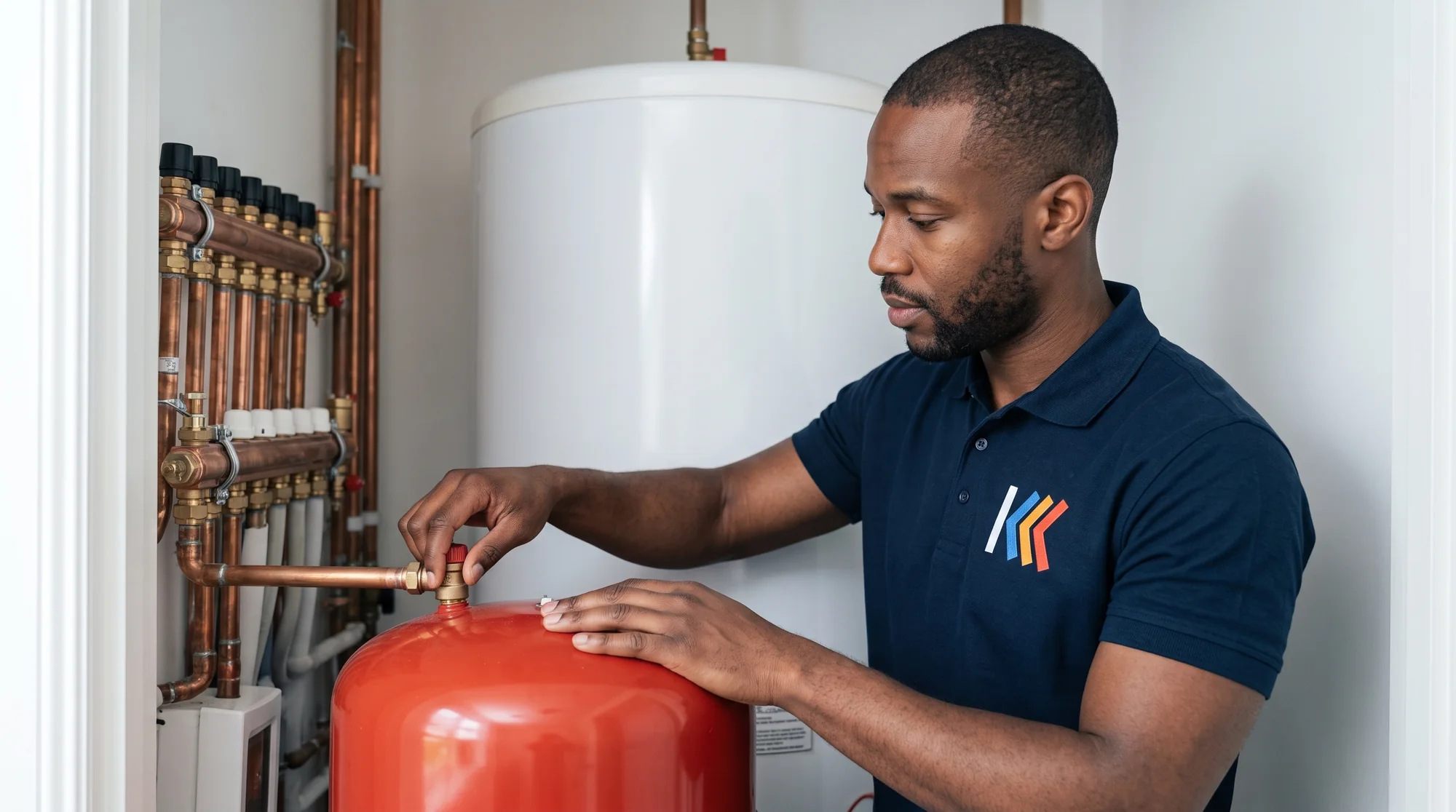
- A failed expansion vessel is one of the most common causes and is not visible from the outside.
- Repeated topping up introduces fresh oxygenated water, which accelerates corrosion.
Almost every modern heating system is sealed. It is filled once, pressurised, and then left alone. The gauge should sit in roughly the same place year after year, rising a little when the heating is hot and falling back when it cools.
So if you are topping yours up every few weeks, something is wrong. It is a common enough problem that people come to treat it as a chore rather than a fault — but the water is going somewhere, and the topping up itself is doing damage.
Why the topping up matters
Fresh mains water carries dissolved oxygen and minerals. A sealed system is designed to be filled once precisely so that the oxygen gets used up early and corrosion effectively stops.
Every top-up resets that. Repeatedly refilling a system introduces a fresh supply of oxygen, which corrodes radiators from the inside and produces the black sludge that eventually blocks them. So the top-up is not a neutral workaround — it is quietly creating a second problem alongside the first.
Where the water usually goes
There are only really two possibilities: it is leaking out somewhere, or it is being discharged deliberately by the pressure relief valve.
- A visible leak at a radiator valve, joint or towel rail — the easy case
- A hidden leak in buried pipework, often under a floor
- A leaking heat exchanger or internal boiler component
- A failed expansion vessel, causing the relief valve to open every heating cycle
- A relief valve that has been left weeping by debris on its seat
The expansion vessel is the usual suspect
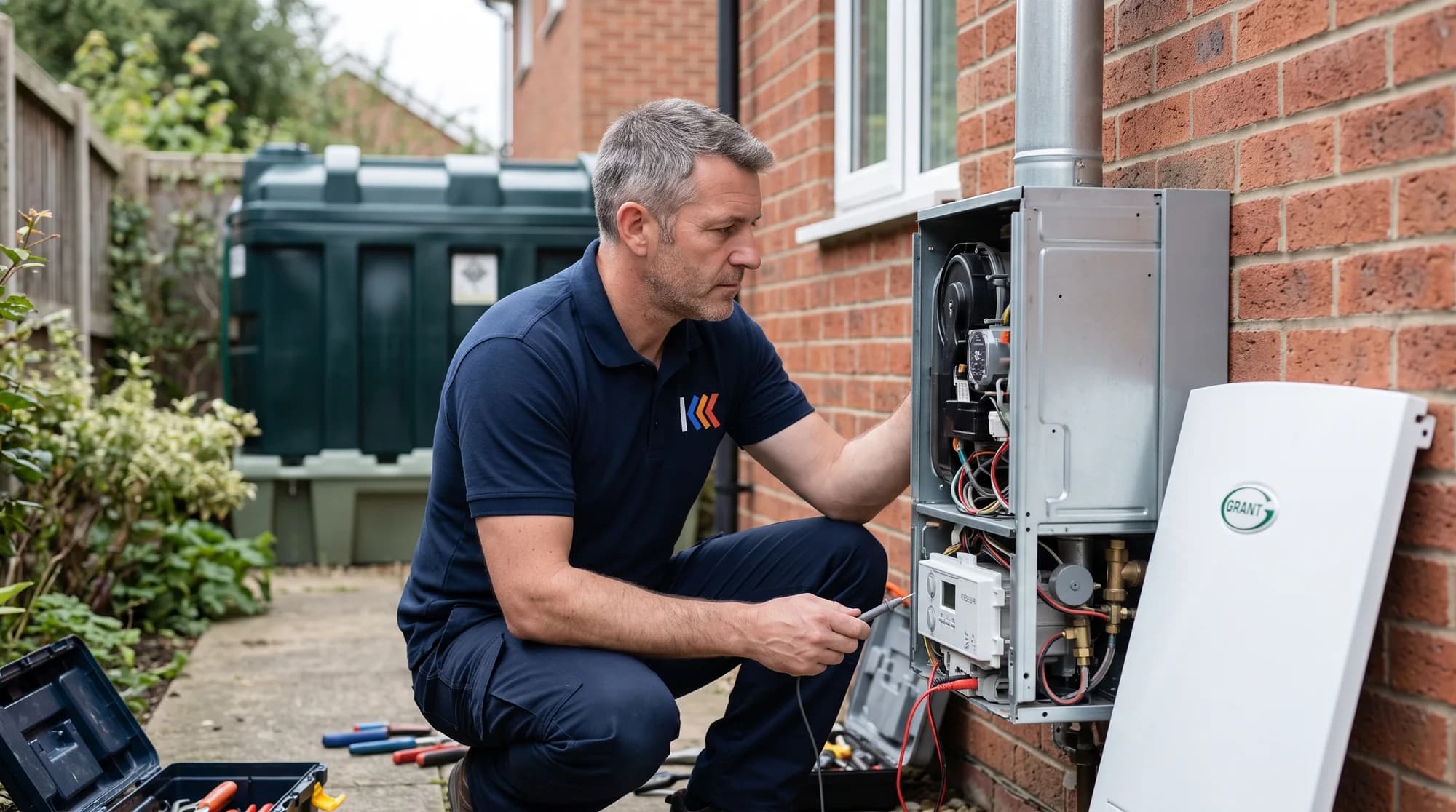
Heating systems have an expansion vessel for the same reason unvented cylinders do: water expands when heated and the pressure has to go somewhere. In a boiler, the vessel is usually inside the casing.
When the vessel loses its charge, the system has nowhere to put that expansion. Pressure spikes every time the boiler heats up, the relief valve opens to protect the system, and a small amount of water is dumped outside. When everything cools, pressure has dropped — so you top it up, and the cycle repeats.
The tell is the pattern: pressure that climbs unusually high when hot and sits too low when cold. If you have also noticed occasional dripping from a pipe outside near the boiler, that is close to conclusive.
Finding a hidden leak
If the vessel is healthy and there is nothing visible, the water is going somewhere you cannot see. Buried pipework under floors is the usual answer, particularly in properties where heating has been extended or rerouted during other work.
This is what leak detection is for. Narrowing the location down before anything is lifted keeps the amount of floor that has to come up as small as possible — which is almost always cheaper than exploratory work.
What you can check yourself
Before calling anyone, a few observations will make the diagnosis faster.
- Note the pressure cold, then again once the heating has been running
- Look for damp patches or staining near radiators and pipe runs
- Check whether the discharge pipe outside is ever wet
- Note how long a top-up lasts — days, or weeks
General guidance based on work we do regularly. Every property is different — if something here sounds like your situation, it is worth having it looked at rather than diagnosed from a page.